 Elite Hardwood Floors
Elite Hardwood Floors
Elite Hardwood Floors
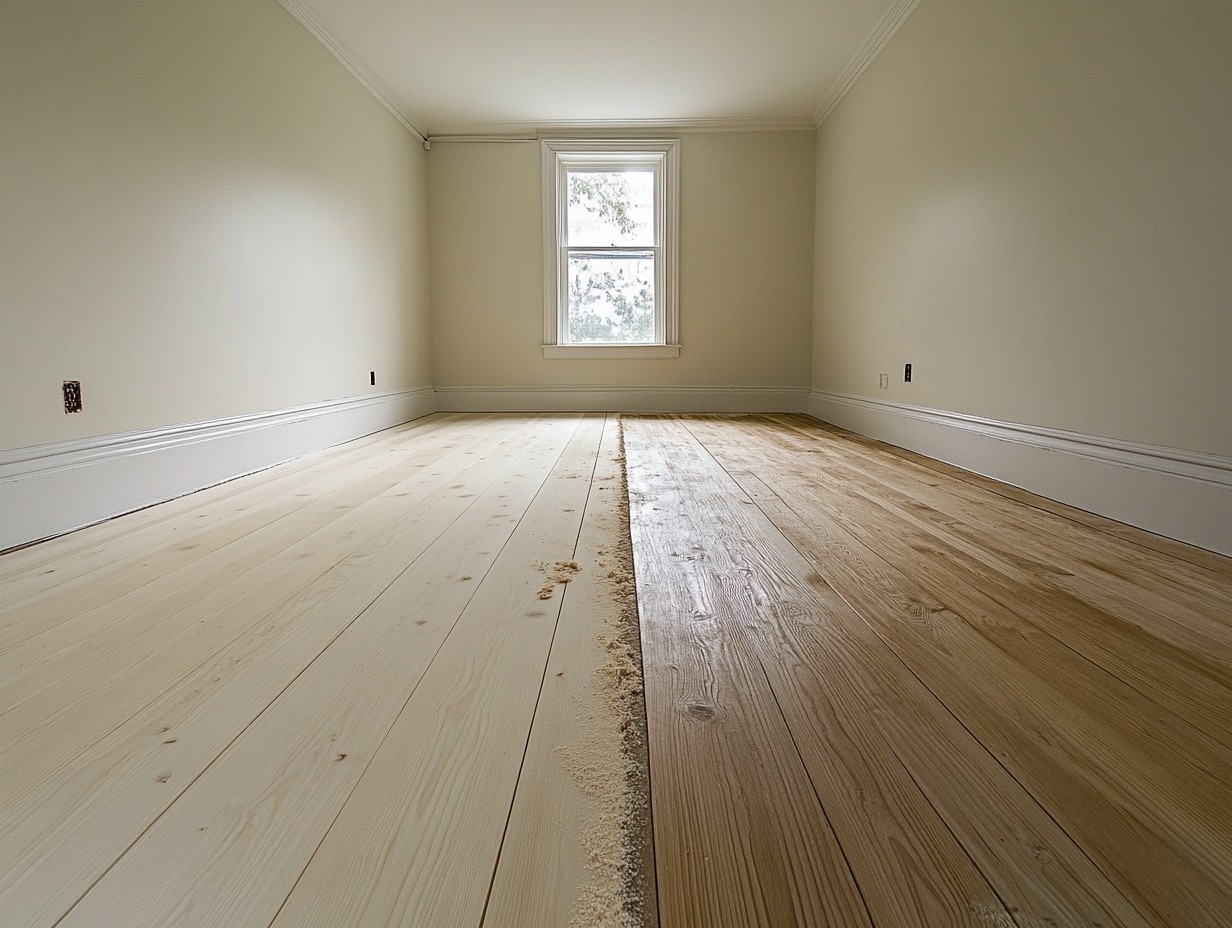
Most of the floors we get called out to look at don't need to come out. They need to be taken back to bare wood and put back together. If the boards are solid and the thing that's actually worn out is the finish sitting on top of them, refinishing runs a fraction of a replacement and you're walking on your floor again inside of a week. We refinish and sand hardwood across Marin County, matching the stain you already have or helping you pick something that isn't the color the last owner chose. It is the biggest visual change you can make to a house without moving a wall, and in the older housing stock around San Rafael and Mill Valley there is usually more life left in the original floors than people assume. If one section is too far gone for sanding to fix, our repair crew handles that first so the refinish has something worth working on, and if the whole floor is genuinely past saving, that becomes an installation conversation instead.
Scratched, dull, gone gray in the spots where the afternoon sun lands, but you can't feel any of it when you run a hand across the boards. That's a finish problem, not a wood problem, and sanding gets you back to new. Water rings from a plant pot or a glass somebody forgot usually come out too.
Creaky boards surprise people. Plenty of the time the squeak isn't structural at all. It's decades of built-up wax and old finish, and it quiets down considerably once the floor has been taken back to bare wood and recoated.
Where the conversation changes is when boards are cupped, cracked all the way through, or soft underfoot. Soft is the one to pay attention to. That means moisture has been sitting somewhere for a while, and sanding a floor that's still wet is money you will end up spending twice. Have us look before you commit to anything.
Wanting a different color counts as a reason all by itself. Nothing has to be broken. A lot of Marin houses still have the orange-toned oak that everybody was putting down in the nineties, and a refinish is the fastest way out of it.
Every sanding pass takes off a thin layer of wood, roughly a thirty-second of an inch. Solid hardwood is typically three-quarters of an inch thick, so a well-kept solid floor handles somewhere around four to six refinishes over its life before it gets down to the tongue and groove. Engineered is a different math problem. It has a real wood veneer over a plywood or fiberboard core, and how many refinishes you get depends entirely on how thick that veneer is, usually one to three. We check what's left of your wear layer before we start, so you know where you stand going in rather than finding out partway through.
Finish choice matters too. Oil-based ambers as it ages and takes longer to cure. Water-based dries clear, cures faster, and holds its color better under the light we get out here. Sheen is its own decision on top of that. Matte and satin hide everyday scuffs and footprints and they're what most of our customers pick now. Semi-gloss and gloss show more of the grain, and they also show every bit of dust between cleanings. We bring sample boards so you're choosing based on how it looks on your actual floor in your actual light.
We start by reading the floor. Condition, remaining wear layer, any boards that need attention before the sander touches them. Then we sand in stages, working through grits, with the machines running on vacuum containment. That's what the trade calls dustless sanding, and it captures the large majority of what comes off the floor instead of letting it settle into your vents and light fixtures. It is not literally zero dust and anybody telling you otherwise is overselling. We still tape and cover doorways, vents, and adjoining rooms before we start.
Once the wood is bare, we stain to your existing color or the new one you picked, then build the finish in multiple coats with real drying time between each one. The last coat needs to cure before furniture goes back and before the floor takes regular traffic. Rushing that is the single most common way a brand new refinish gets wrecked in its first week. We walk the space with you at the end of each day so you always know what stage the job is at.
A typical room runs a few days from bare wood to a finished floor you can walk on, longer for bigger spaces or darker stains that need extra coats. Containment cuts the cleanup down enormously compared to how this used to get done, but plan on smelling fresh finish for a day or two regardless, especially with an oil-based product. We give you a specific schedule before we start: when you can walk on it in socks, when furniture can come back, and when it can take normal traffic again. You shouldn't have to guess about any of that.